Doctors reveal that eating beets causes, See details in
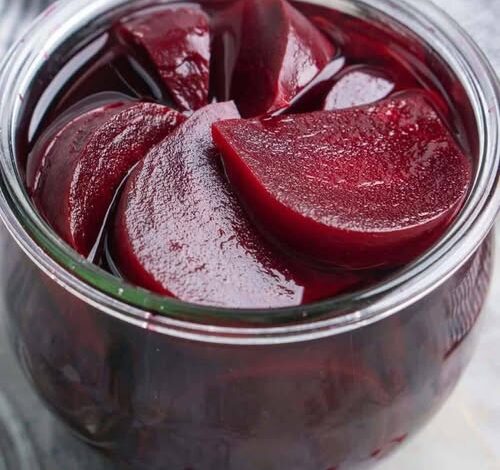
The humble beetroot stands as a testament to the profound science of nature, often overlooked in the modern rush for flashy health trends. While its earthy flavor and deep crimson hue are well-known to every cook, the biological impact of this root vegetable is complex and far-reaching. Far from a simple side dish, beets operate as a sophisticated catalyst for cardiovascular health, cognitive clarity, and metabolic balance. By understanding how the specific compounds within beets interact with human physiology, we can appreciate why doctors and nutritionists increasingly view them as an essential pillar of long-term vitality.
The Cardiovascular and Cognitive Connection
The most significant power of the beet lies in its concentration of natural nitrates. Once consumed, the body undergoes a chemical conversion process, turning these nitrates into nitric oxide. This molecule acts as a signal for the smooth muscles of the blood vessels to relax and dilate.
This physiological shift, known as vasodilation, has a ripple effect throughout the entire body:
- Reduced Cardiac Strain: Widened vessels allow blood to flow more freely, which helps lower blood pressure and reduces the workload on the heart.
- Enhanced Oxygen Delivery: Improved circulation ensures that oxygen is delivered more efficiently to muscles and vital organs.
- Athletic Endurance: Many athletes utilize beet juice to improve their stamina and speed up recovery times after intense physical exertion.
- Mental Sharpness: In older adults, the boost in blood flow to the brain can lead to clearer focus and improved cognitive performance.
Metabolic Harmony and Digestive Strength
Beyond the circulatory system, beets provide a robust architecture for digestive health. High in dietary fiber, they serve as a stabilizer for the body’s internal rhythms. This fiber does not just move through the system; it actively manages the absorption of sugars, preventing the sharp energy spikes and subsequent crashes that can lead to fatigue.
Furthermore, beets act as a prebiotic, feeding the beneficial bacteria within the gut microbiome. A healthy microbiome is essential for quieting systemic inflammation, which is a common underlying cause of mood swings and chronic exhaustion. By supporting these microscopic allies, beets help maintain a steady energy curve that lasts throughout the day.
Natural Detoxification and Cellular Repair
The striking pigment of the beet is caused by betalains, a unique group of phytonutrients with powerful antioxidant and anti-inflammatory properties. These compounds do not force a “detox” in the aggressive sense found in many marketing slogans; rather, they provide the liver with the necessary chemical tools to perform its natural filtration duties more effectively.
The nourishment found in beets is built on a subtle foundation of trace minerals and vitamins:
- Folate: Essential for DNA synthesis and cellular repair.
- Potassium and Manganese: Key players in fluid balance and bone strength.
- Iron: Vital for the transport of oxygen via red blood cells.
Together, these elements form a cumulative architecture of vitality that supports the body’s ability to renew itself at a cellular level.
Essential Precautions and Balanced Consumption
Despite their many benefits, it is important to treat beets as a potent food rather than a magical cure. There are several practical considerations for those looking to increase their intake:
- Beeturia: A harmless condition where urine or stools take on a pink or reddish tint after consumption.
- Oxalates: Those prone to kidney stones should moderate their beet intake, as the vegetable is high in oxalates.
- Blood Sugar: While whole beets are rich in fiber, pure beet juice can cause blood sugar spikes if consumed in large quantities without the accompanying pulp.
- Medication Interactions: Individuals on blood pressure medication should consult a healthcare provider before significantly increasing their intake, as the cumulative effect of the medication and the beets may lower blood pressure too much.
The true lesson of the beet is the power of routine. Whether roasted with olive oil, grated raw into a seasonal salad, or blended into a nutrient-dense smoothie, the benefits are most profound when they are allowed to accumulate over time. In a world of loud “superfood” claims, the beetroot offers a quiet, patient, and profoundly kind way to support the body from the ground up.